Development of Children & Young People
ENCOURAGING MORE PEOPLE TO GET ACTIVE
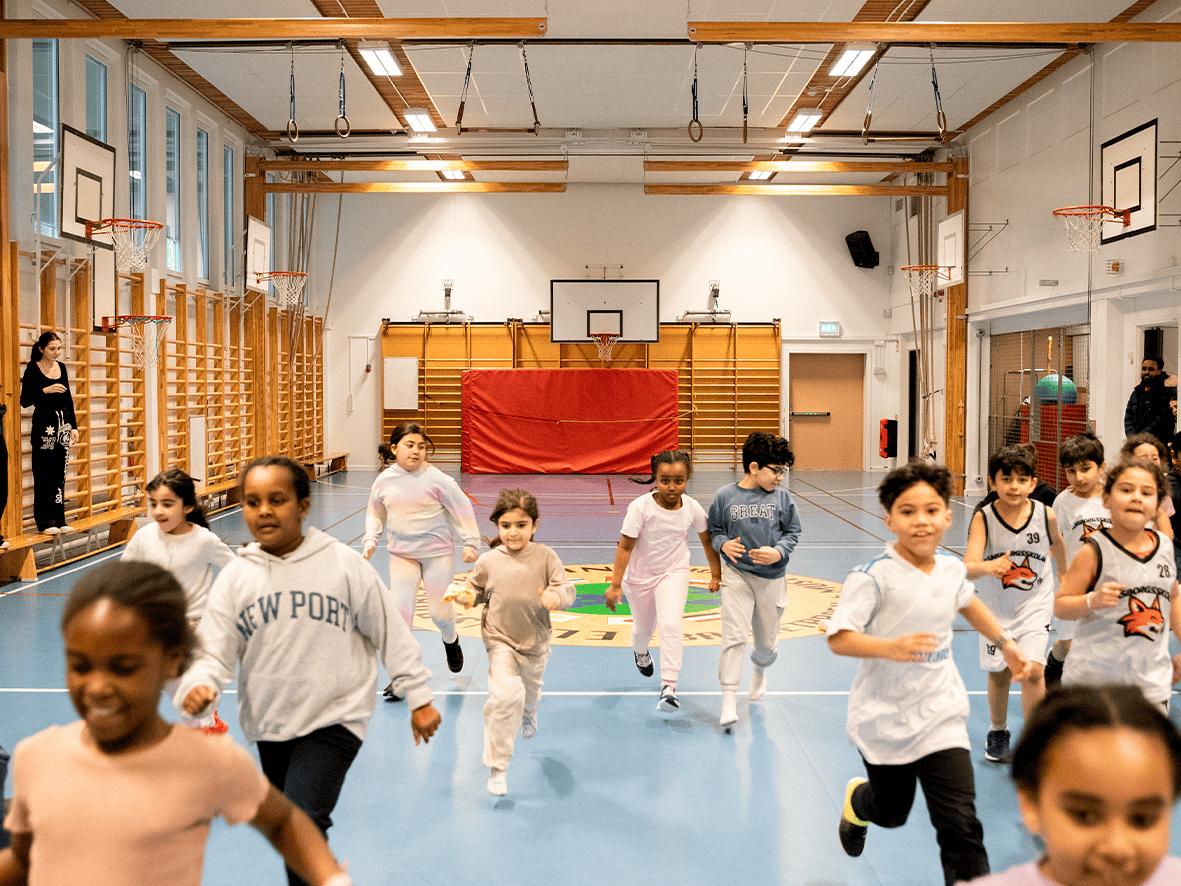
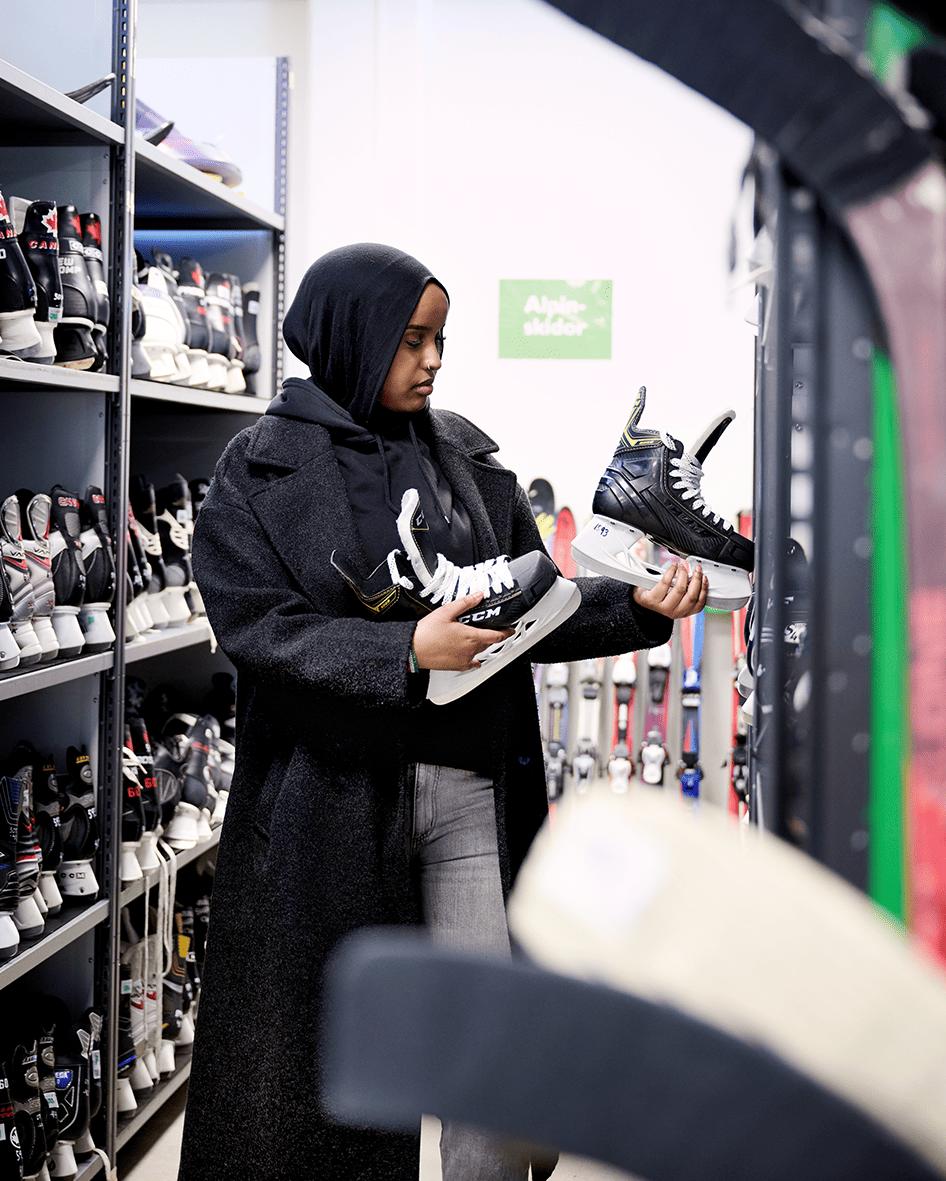
Fritidsbanken’s philosophy is simple: allowing everyone to borrow sports and outdoor equipment for free, so that they can do activities that they want to try out or that they do only occasionally. In 2023 this enabled two million hours of physical activity that otherwise might not have happened.
The idea of being able to borrow equipment for sports and outdoor activities in the same way that it is possible to borrow books from a public library was hatched in 2012. David Mathiasson is business manager at Fritidsbanken Sverige and says that the need became clear when Carina Haak, a deacon at Deje outside Karlstad who initiated the venture, was working with young single parents.
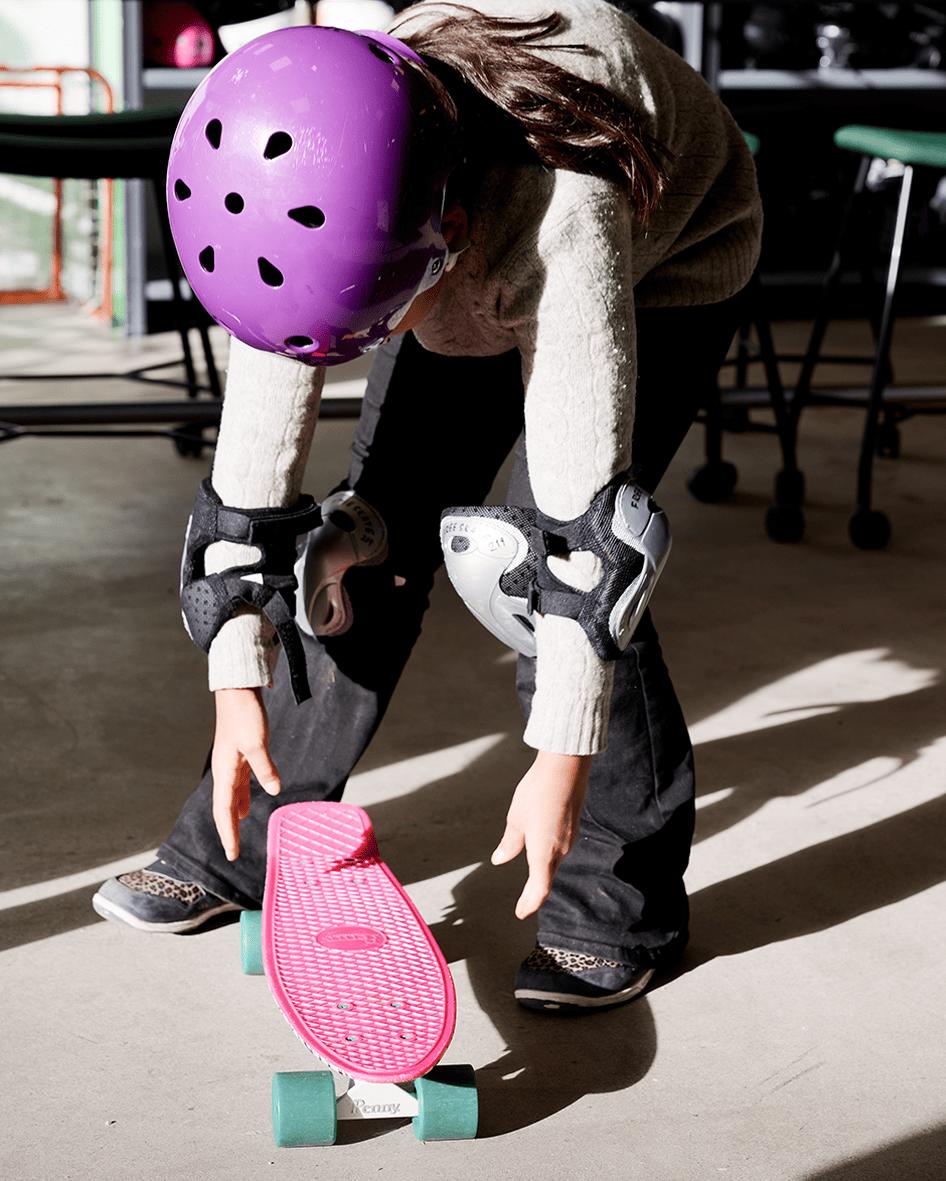
“It emerged that they couldn’t afford to buy the sports equipment needed for outdoor days at school – so rather than the child having to be ashamed of not having equipment, their solution was to write the child a sick note,” he says.
Fritidsbanken means Leisure Bank and its activities are based on three principles: anyone can borrow, everything is free and all equipment is reused.
“In our consumer society there is an abundance of sports and leisure and equipment that is no longer being used but that could be of use to others. The idea is as smart as it is simple,” says David Mathiasson.
One reason why there is a need for Fritidsbanken is that Swedes have become increasingly sedentary. According to Every movement counts, a public inquiry from 2023, the population spends an average of 70 percent of its waking time either sitting or lying down. Among 15-year-old girls, only one in ten is physically active for an hour a day.
“Nine out of ten children move too little in their everyday lives.”
“And nine out of ten children move too little in their everyday lives,” says David Mathiasson.
The incidence of ill health in the form of overweight and obesity is increasing in parallel, with diseases such as diabetes, cardiovascular disease and cancer following in its wake.
The project Fritidsbanken – the 21st century public library for physical activity aims to lower the thresholds so that everyone, regardless of age, gender, socioeconomic situation, ethnicity or functional ability, can be physically active.
The very first Fritidsbanken that opened in Deje has now been followed by 130 more all over the country, from Trelleborg in the south to Kiruna in the north.
“These hours are particularly important, when someone who would not otherwise have been active actually becomes so.”
Fritidsbanken is represented in every region except Blekinge, and the vision is to have a leisure bank in each of the country’s 290 municipalities.
For the past couple of years Fritidsbanken has also run pilot activities where schools have been able to borrow equipment for a whole season, which students can borrow at break times.
“That could be kick-bikes, helmets, balls or something else. The school writes down what is lent so that we get numbers for how many students get active,” says David Mathiasson.
In 2023 Fritidsbanken showed that it had contributed to a total of two million hours of activity across the country that otherwise might not have happened.
- 2
millions of hours of activity in 2023 that Fritidsbanken contributed to, which otherwise might not have happened
- 131
the number of leisure banks in Sweden, and agreements have been signed with another 10 municipalities – the vision is for there to be at least one in each of the country’s 290 municipalities
- 40
the proportion of borrowers that are children and young people under 20
“It’s these hours that are particularly important, when someone who would not otherwise have been active actually becomes so,” he says.
The development also shows an increasing interest in borrowing equipment for physical activity.
“In 2024 the number of items lent was 1.8 million, double what it was in 2022,” he says.
A study from the Swedish Research Council for Sport Science shows that 48 percent of those who borrowed things would not have engaged in the activity if the opportunity to borrow equipment had not been there.
“This means that almost every second person would not have done it – and then often those who need the activity the most. It’s a straight pass to those municipalities that haven’t yet established a leisure bank – it can be assumed that every week there’s a large proportion of people who can’t engage in a certain activity because there’s no opportunity to borrow equipment,” he says.
One particularly disadvantaged group that he mentions is people with disabilities, who are also often worse off financially.
“The guy was so excited that he nearly climbed out of his wheelchair to try it.”
“We reviewed our operations and saw that there were few loans to people with disabilities, and at that time we only had 80 such pieces of equipment throughout the country,” says David Mathiasson.
They have therefore chosen to link up with Parasport Sweden, with the ambition that each leisure bank will have a basic range of adapted equipment. The aim is then to have a wide range of adapted equipment available regionally. The county of Skåne, for example, has a leisure bank in 11 out of 33 municipalities. Through these it will be possible to find equipment such as a beach wheelchair, a sports wheelchair or an adaptive ice skating sledge. A decision has also been made to adapt all premises to make them accessible.
“We want everyone to be welcome at our leisure banks, so that’s super important!”
On this theme David Mathiasson forwards a few lines from Megan Pettersson, who is the site manager at Fritidsbanken in Dals Ed.
At the end of February they organised an ice skating disco on the lake, with as many as 500 people participating.
“A family showed up with their two children – both were in wheelchairs and couldn’t walk. I had with us an iceWISP, in other words a frame skater, and offered it to them. The guy was so excited that he nearly climbed out of his wheelchair to try it. I got a little teary-eyed when I saw how much they enjoyed being part of the disco. So thank you for your support and funds so that we can offer parasport equipment – it is so appreciated!”
“It later emerged that the family were tourists from the Netherlands and this event, along with a warm welcome and community, made them decide to move to Dals Ed. Fantastic!”
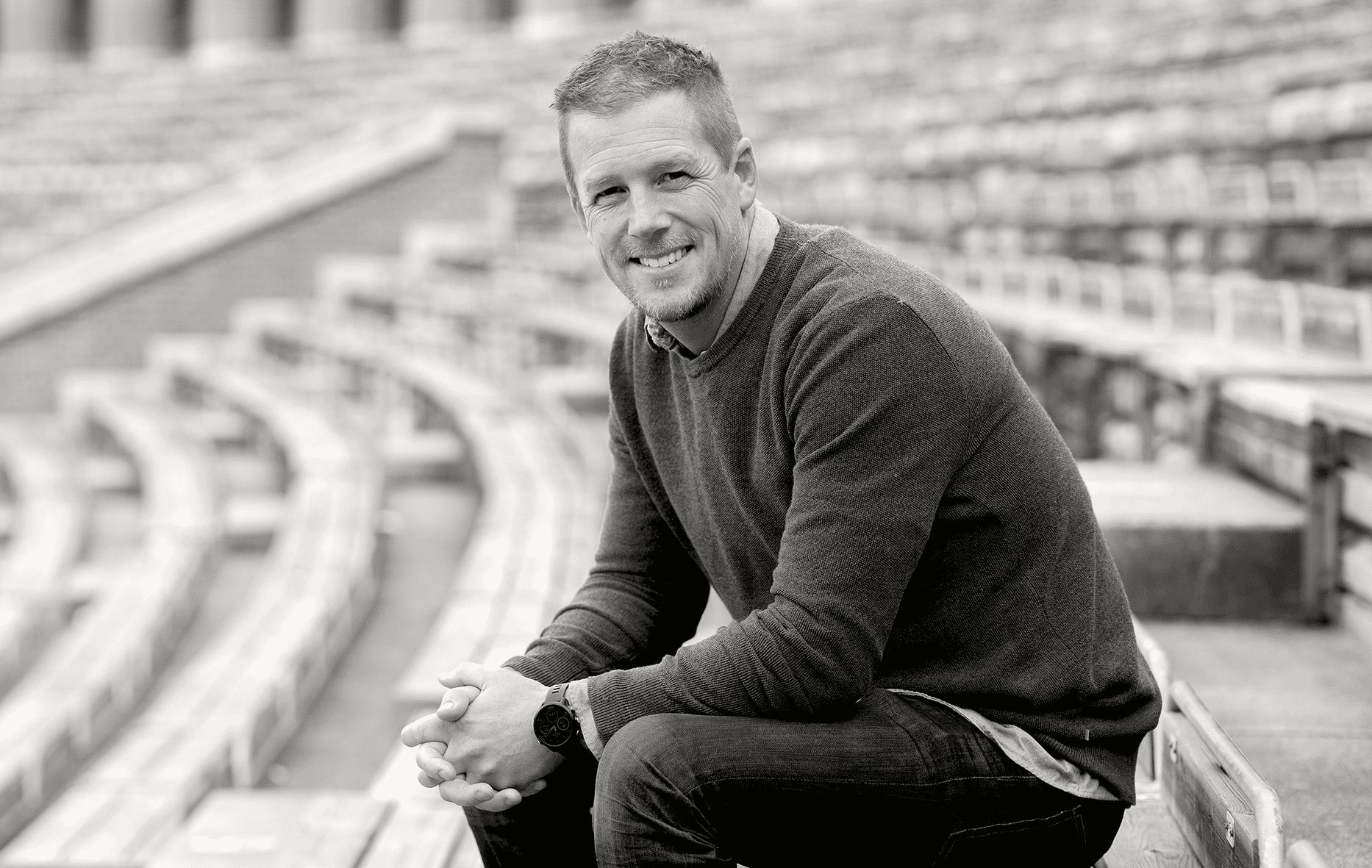
David Mathiasson describes how he himself ‘played a small part’ when the very first leisure bank opened its doors in Deje, and was the first employee to work on spreading the Fritidsbanken concept and developing the business.
Today seven people work at Fritidsbanken Sweden’s office on business development and communication. Around 1,200 people a year work at the leisure banks in the municipalities – some in regular employment, but others through supported employment schemes and as holiday jobs.
“Fritidsbanken is immensely popular among young people looking for summer jobs! They work at the leisure bank but also get out and about to attract more users – on the beach, for example, where they can bring things like fishing rods, lifejackets and frisbees,” he says.
The support from the Erling-Persson Foundation is very valuable.
“We’ve found a concept that we sincerely believe in and, with this support, we have the power to implement it throughout Sweden with good quality – which is exactly what’s needed,” he says.
In five years’ time he envisions there being a leisure bank in 60 percent of all municipalities, compared with 41 percent today.
“We’ll be the leading national player for equipment lending and will be in all regions. I can also see us having clear collaboration with the Swedish Sports Confederation and Swedish Outdoor Life.”
He says that project grants are often directed at short-term initiatives for trying out new things.
“It’s easy for such initiatives to end up rather scattered. We’ve found our way of working that we believe in and now we just have to keep at it,” says David Mathiasson.
Om projektet
Project leads: David Mathiasson and Erika Olkerud.
Title: Fritidsbanken – the 21st century public library for physical activity.
What it involves: Through Fritidsbanken anyone can borrow sports and outdoor equipment for 14 days. Borrowing is free and all equipment is donated by private individuals, clubs and businesses. This lowers the threshold for physical activity regardless of ethnicity, socioeconomic situation or functional ability. Fritidsbanken Sweden is a member organisation that signs agreements with principals – in nine out of ten cases these are municipalities – which are then responsible for premises and employees.
Funding: The Erling-Persson Foundation is supporting the project with SEK 9 million over five years.