Tuition & Education
NOW THE OUTSIDE WILL MATCH WHAT'S INSIDE
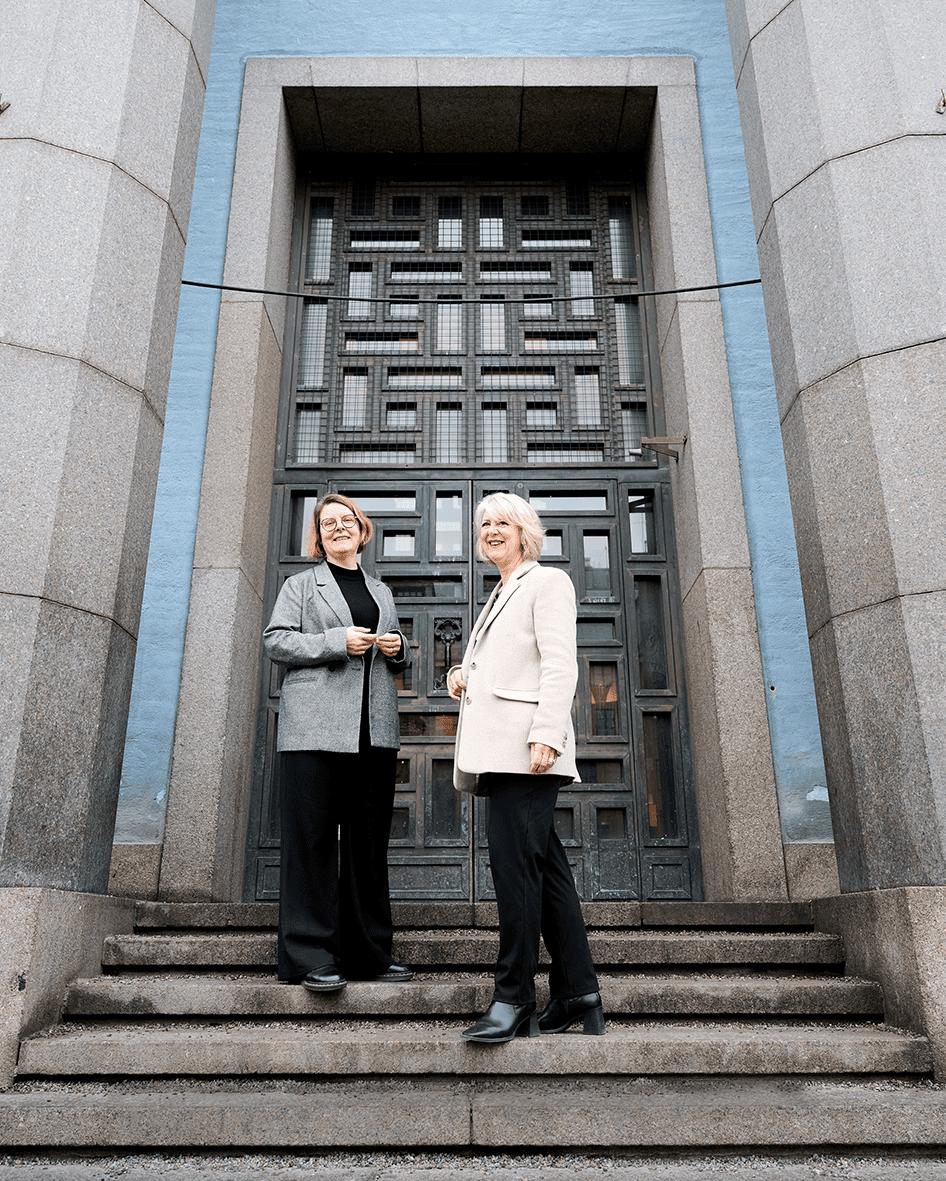
Konserthuset Stockholm is the sky-blue concert hall majestically situated at Hötorget in Stockholm. It is hoped that a freshly cleaned façade and scrolling programme displays will attract spontaneous visitors, one goal being to reach even more children and young people while continuing to offer visitors a high-quality music experience.
In April 2024 it was revealed that Konserthuset Stockholm and the Royal Stockholm Philharmonic Orchestra would receive a record-breaking donation from the Erling-Persson Foundation that will be used to refurbish the façade and make the building accessible in order to reach new and younger age groups.
Last September Susanne Rydén took over from Stefan Forsberg as Konserthuset Stockholm’s Executive Director.
Konserthuset Stockholm’s annual report states: ‘A palace of music with low thresholds and high ceilings that will become even more welcoming and inviting through the generous donation awarded by the Erling-Persson Foundation to the concert hall foundation in 2024, with the aim of making the building and what goes on inside it more accessible.’
“A surface and a façade – whether of a building or a person – are interesting, but it is what’s on the inside that’s important. You can have an inviting exterior, but what happens on the inside – that’s crucial,” she says.
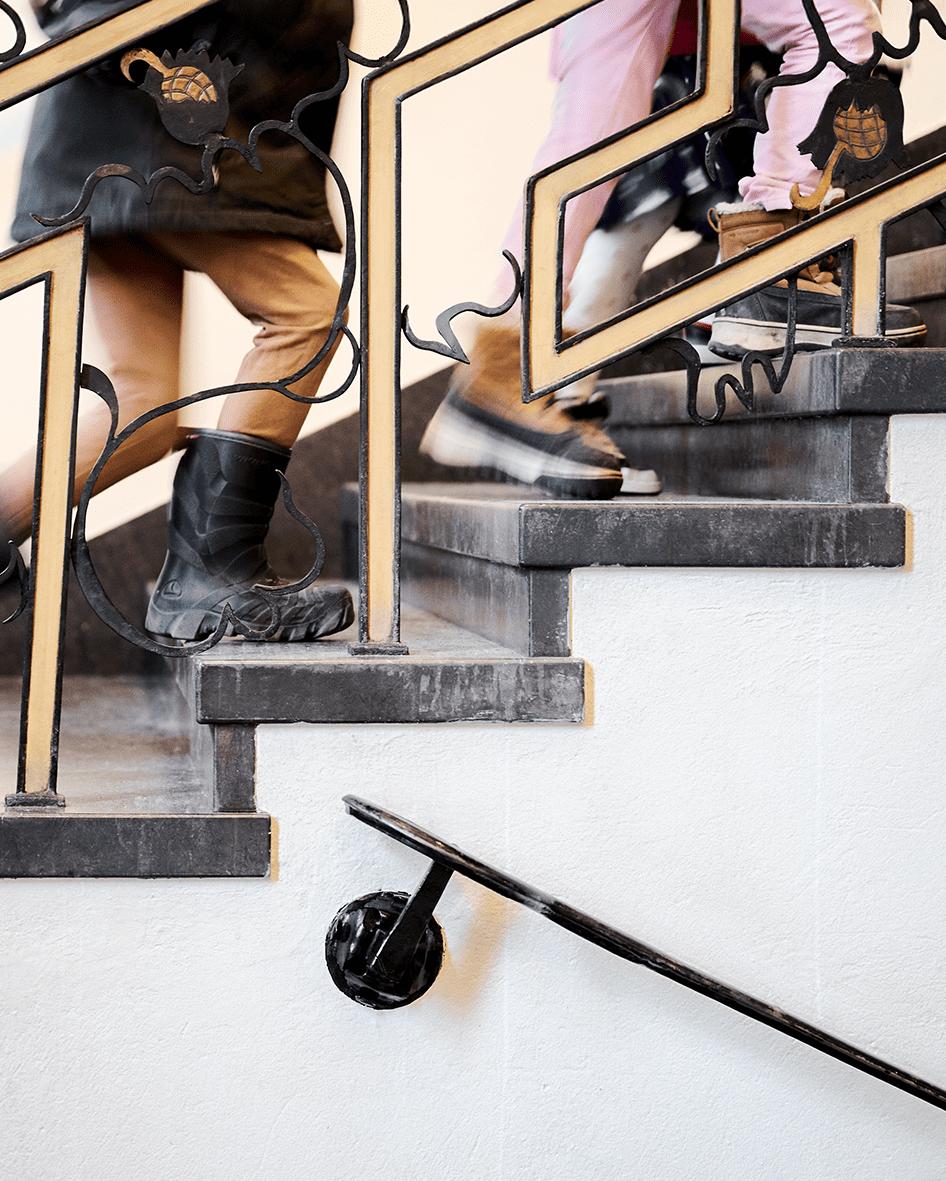
Every year Konserthuset stages more than 200 of its own concerts, plus around 40 by visiting musicians. A full 1,100 public events take place in total – in the form of tours, concerts, foyer concerts and summer programmes. In addition, in the coming years Konserthuset will celebrate its 100th anniversary in 2026 and the Royal Stockholm Philharmonic Orchestra its 125th anniversary the following year.
“The celebrations will continue throughout the 26/27 season, with the sparking addition of guest performances from star soloists as well as celebratory programming, seminars, exhibitions and new types of concerts all though the year,” says Susanne Rydén, continuing:
“The place and importance of music in society and in people's lives is at least as important today as when Konserthuset was first built in order to give the Royal Stockholm Philharmonic Orchestra a home and enhance the city’s attractiveness.”
“Meeting different generations right from the start is something that’s deeply rooted in the DNA of the building and the orchestra.”
The Royal Stockholm Philharmonic Orchestra often plays to adult audiences, but is also active in school, children’s and family concerts.
“The orchestra is the real hub. There has been a passion and a desire to put on concerts for children and young people ever since 1917 – even before Konserthuset existed. It’s like a warm current running through the building’s history,” says Karina Svensson, who has been responsible for Konserthuset’s children’s and youth activities since 2012. Susanne Rydén adds:
“Meeting different generations right from the start is something that’s deeply rooted in the DNA of the building and the orchestra.”
School concerts are an important part of this – a venture decided on when it became clear after the pandemic that it was taking a long time for schools to resume their visits.
“The concerts are free for everyone to attend and enable us to live up to what is stated in the Convention on the Rights of the Child – that children and young people have the right to fully participate in art and cultural life,” says Susanne Rydén.
They tried these out in the autumn of 2022 and quickly realised they were hugely popular. Now the puppet ‘Mr van B’ guides schoolchildren into Beethoven’s world of music.
- 40%
the percentage of featured composers who are female
- 1/3
the proportion of events aimed at children between the ages of three and 18
- 10,000
the number of children who experience music during a school concert week
“The other week nearly 10,000 children were here, with three school performances a day, plus two public performances attended by over a thousand people. And it’s the same with the events we put on for the various preschool ages – there, too, we’ve seen a huge demand for public tickets,” she says.
The latest addition for a younger audience is ‘Classic with Baby’, which has an age limit of 12 months – in other words, the audience must be no more than a year old.
“But they’re allowed to bring an adult with them for safety,” Karina Svensson clarifies. One target group that she says has been difficult to reach is one- to three-year-olds.
“We’re aiming to seal all the gaps in the chain of growing up with new events, and they’ve fallen between the cracks. Three- to five-year-olds play in the chamber music hall, while those up to 12 months get to listen to chamber music without us having to specially engage them. But one- to three-year-olds are a tricky group, so we’re now starting a special initiative to provide for them in an active, musical and playful concept that has not yet been given a name,” she says.
“One-to three-year-olds are a tricky group, so we’re now starting a special initiative to provide for them.”
As well as the concerts, Susanne Rydén highlights their sessions for trying out instruments.
“It’s where children can come and have a go, try things out. And we’ve been particularly successful here when we get demonstrations from young musicians, such as those from the Lilla Akademin music school or from other schools. That way, children see that there are other young people playing music,” she says.
Karina Svensson continues:
“Then it becomes real to the children – that people who look and talk like them are doing absolutely amazing things.” A guiding principle is to reach out to everyone, which is made possible via Konserthuset’s website – such as through the videos about each instrument in the symphony orchestra that schools throughout the country use as teaching material. The website also contains the Children’s Music Library, with performances and 37 different films available to anyone, aimed at children from the age of three. Another initiative is music paired with socially engaged subjects, so that the concert experience can be used widely in teaching.
An example of this is Baltic, a performance about an environmental robot that, together with the children, helps repair the environment around the Baltic Sea.
“It was fun to bring in voices from countries around the Baltic and pass on the message of working together to make it right. There is nothing radical in this, but it works – you learn to say hello in each other’s language and we convey a friendly feel,” says Karina Svensson.
The concept toured and was performed in Helsinki and Tallinn.
An important element is the collaboration with Stockholm School of the Arts, to reach children with an interest in music.
“Before our subscription concerts we invite people from different constellations to play in the foyer as the audience arrives. And then they get to go to the concert,” says Karina Svensson.
From next season a youth council will also be launched to strengthen the influence of young people. This will be made up of a group of engaged 16- to 21-year-olds who will also act as ambassadors. The idea is that they will listen to concerts, meet artists and absorb the current offerings, but also make their voices heard and to some extent have an influence.
“This is something that also happens among our colleagues out in Europe and shows the importance of giving children and young people influence – letting them in and taking their interests seriously,” says Karina Svensson.
But young people coming up with their own ideas is nothing new in itself, she says.
“When the music makes everything vibrate, it becomes a purely physical experience.”
“For example, with our support they’ve organised pop-up concerts out in schools. They’ve found this music and are in turn passionate about it reaching more people.”
Both point to an increased interest in music among younger people.
“A survey from Finland shows that young people listen to classical music much more than their parents do – classical music is trending. We’ve noticed a big increase in young visitors – especially when it comes to piano concerts, which have an unusually large number of young guys in the audience. They then hang around to talk to our soloists and we usually try to ensure that those meetings take place,” says Karina Svensson.
One reason could be Spotify lists of quiet music that works well when studying.
“It’s like a lesson in classical music. My own son has chosen to go into economics and finance, but when he was studying he said that the best music to read to is actually Beethoven,” says Susanne Rydén as an example.
The feeling of authenticity in the moment of the concert is something special in the world that young people have grown up in.
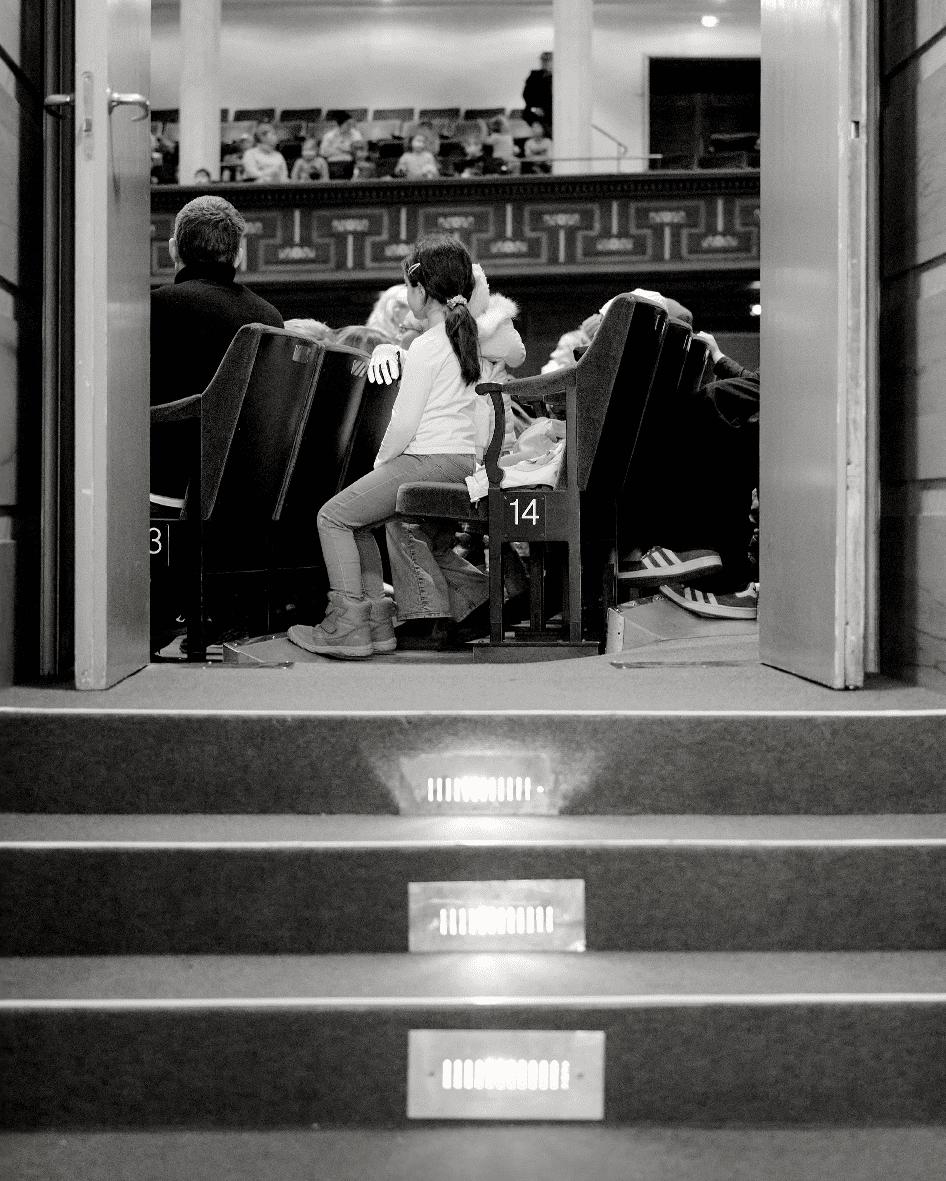
“Their world is very digital, and here you get to be in a place that is completely non-digital. It’s a bit strange and special, but also wonderful. I think you meet many young people who are reflecting on that – being in the moment and seeing a need to put their phone away for a while,” she says.
Two weeks earlier, via the mentoring organisation Framtidssmedjan, they were visited by a group of young girls from disadvantaged areas.
“We try to identify these types of organisations and welcome them. This should be a building that is accessible to everyone, and the first experience people have of the orchestra is often transformative. They thought it was amazing to sit up close, behind the orchestra – after all, when the music makes everything vibrate it becomes a purely physical experience,” says Karina Svensson.
In addition to classical music, this distinctive blue building offers popular music, world music and not least jazz, with 440 young people between the ages of 13 and 21 gathering each year for the Blue House Youth Jazz Festival.
“That’s the limit of what our Grünewald Hall holds, so we can’t fit in any more. They have workshops and seminars at the College of Music on the Saturday and listen to a concert here in the evening, and on the Sunday they compete,” says Susanne Rydén.
“Right now, everything that binds us together rather than separating us is incredibly important.”
Karina Svensson adds:
“You can imagine the energy when 440 young people are competing! It’s great because they celebrate each other’s success – ‘Oh, you won! Yes!’ – there’s no resentment. Being at that award ceremony gives you a warm feeling inside.”
Guided tours also enable visitors to encounter the art and architecture found within the walls of the concert hall.
“This environment is absolutely breathtaking, it’s so beautiful. On a tour you see things you otherwise wouldn’t think about. If you’re going to a concert you rush through, thinking about where you’re going to sit and where to hang your coat, and you might miss the fact that there’s a little dolphin at the top of the mirror,” she says.
With the upcoming renovation of the façade, the exterior will also get a refresh.
“Replacing static poster cabinets with digital ones that have moving images will allow us to tell people about what’s happening inside in a better way and can attract spontaneous visitors,” says Susanne Rydén.
So what does the support from the Erling-Persson Foundation mean?
“An infinite amount! It enables something we desperately need, but the fact that a well-established, respected part of our society sees what we are doing and what we can do shows a trust in us that will have a ripple effect – and we need to make the most of it,” says Susanne Rydén, continuing:
“I also think it’s an incredibly important signal that music and culture are a fundamental part of our society, so it has great value beyond the purely monetary impact.”
As the newly appointed Executive Director, her vision is to use the power of music as a cohesive factor.
“I’m fundamentally a singer who has travelled in large parts of the world. But whether in the intimate format of a small country church or at the Royal Albert Hall, it’s always about reaching people with the music and getting it across. That power is needed – it’s something we can gather around that gives us strength and energy and community. Right now, everything that binds us together rather than separating us is incredibly important. And age doesn’t come into it – it applies from the very tiny ones throughout the whole of life,” says Susanne Rydén.
Om projektet
Project leads: Susanne Rydén, Magnus Ericsson (Financial Director) and Jeanette Hultstrand (Property and Security Manager).
Title: Upgrading Konserthuset Stockholm’s façade for future generations.
What it involves: In 2026 Konserthuset Stockholm will celebrate its 100th anniversary. The interior of the building has previously been refurbished, and now the outside is to be renovated and modernised.
Funding: The Erling-Persson Foundation is supporting the project with SEK 100 million.


